Your Trip Story
Paris in December moves differently. The air has that metallic chill that makes your breath visible, the Seine runs ink-dark by 4pm, and light leaks out of café windows like secrets. Somewhere between the steam of your first coffee and the clink of the night’s last glass, the city shifts from postcard to confidant. Cobblestones are damp, scarves stay on indoors, and every doorway seems to hide a candlelit table and a bottle with a hand‑written label. This trip is not about ticking off monuments; it’s about tracing a low‑light trail through the arrondissements that food writers and wine importers whisper about. You move through the compact 2nd with its covered passages, up into Pigalle’s 9th where natural wine bars tuck between guitar shops, out to Belleville and Ménilmontant where the city feels younger, looser, more interesting. Days start slow: a park still waking up, a quiet museum, a coffee bar that moonlights as a wine cave. Afternoons drift into neighborhood walks and specialty cavistes; evenings belong to small dining rooms, fogged windows, and glasses that taste alive. Across four days, there’s a deliberate arc. The first keeps you central, easing you into the rhythm of café–gallery–cave. The second follows the Canal Saint‑Martin north, where towpaths and side streets hide serious wine lists behind unassuming façades. The third climbs into Pigalle and Montmartre, that 9th‑arrondissement mix of old cabaret ghosts and current‑issue natural wine obsessives. The last day pushes east to Belleville and Ménilmontant, where the city’s creative energy hums a little louder and the nights stretch a little later. You leave with more than restaurant names in your notes app. You leave with a mental map of which streets feel right at blue hour, which bartenders pour a little extra when they like you, which arrondissements you’ll claim as “yours” next time. Paris in December becomes less a destination and more a recurring winter habit: a place you return to when you need candlelight, good bread, and wine that tastes like it still remembers the soil.
The Vibe
- Low-light wine haunts
- Slow-food hedonism
- Backstreet Paris
Local Tips
- 01Always open with a bonjour (or bonsoir in the evening) when you enter a shop, bar, or café; in Paris, etiquette is currency and it changes the way staff treat you.
- 02Avoid eating while walking; Parisians sit to eat, even for a quick pastry, and you’ll blend in more if you claim a table instead of the sidewalk.
- 03Use the metro to hop between arrondissements, then slow down on foot—neighborhood guides rave about how each district has its own micro‑vibe that only appears at walking speed.
The Research
Before you go to Paris
Neighborhoods
Explore the 2nd arrondissement for its historic passageways and charming streets, perfect for a leisurely stroll and discovering quaint shops. Don't miss the opportunity to visit the Cimetière Montmartre in the 18th arrondissement, where famous artists like Degas and Zola are laid to rest.
Food Scene
For a true taste of Paris, head to La Bonne Mer in the 13th arrondissement, where you can get insider tips on the best dishes to try, including their renowned seafood. Alternatively, Semilla in the 6th arrondissement offers a delightful selection of wine and cheese plates, making it an ideal spot for a relaxed meal.
Etiquette
To blend in with the locals, remember to greet shopkeepers with a polite 'Bonjour' upon entering and 'Merci, au revoir' when leaving. Also, be mindful of dining customs; eating on the street is frowned upon, so always try to enjoy your meals seated at a café or restaurant.
Where to Stay
Your Basecamp
Select your home base in Paris, France — this anchors your journey and appears in the navigation above.
The Splurge
$$$$Where discerning travelers stay

Four Seasons Hotel George V, Paris
The George V is all marble floors, towering floral arrangements, and carpets that swallow the sound of your footsteps. The air is perfumed, the lighting warm and layered, and every surface seems to have been polished within the last hour.
Try: Have a single, perfectly made drink at the bar and watch the quiet theatre of arrivals and departures.
The Vibe
$$$Design-forward stays with character

Hôtel National Des Arts et Métiers
This boutique hotel in the 3rd blends Haussmann bones with contemporary design: terrazzo floors, dark wood, and a bar that hums late into the night. The air smells of good coffee by day and shaken citrus and spirits after dark.
Try: Have a cocktail in the courtyard and watch the mix of guests and locals filter through.
The Steal
$$Smart stays, prime locations

Hotel Des Grandes Ecoles
Hidden behind a courtyard in the 5th, Hotel Des Grandes Ecoles feels like a countryside inn dropped into the Latin Quarter: creaking floors, floral fabrics, and a garden that stays green even in winter. The air smells of old stone, coffee, and damp leaves.
Try: Have breakfast in the garden courtyard if the weather allows, coat on and coffee steaming.
Day by Day
The Itinerary
Orientation
Passages, Pavements & Your First Pour
The day begins with that particular Parisian winter light: thin, silvery, catching on the damp cobblestones outside your hotel as you wrap your scarf tighter. You cross into the Marais while the streets are still half‑awake and let caffeine and conversation find you at Causeries, where the hiss of the espresso machine and the faint smell of natural wine from last night’s service hang in the air. From there, the city opens up—Notre‑Dame’s stone is still marked by scaffolding but the bells and the murmur of the square pull you into the historic center, exactly the kind of “highlights and hidden corners” locals say you only really catch on foot. Lunch is a short hop to Maslow on the Seine, where the room feels like a design studio that decided to serve food: warm wood, soft hum, plates that arrive with just enough color. By afternoon you’re moving slowly through the 2nd arrondissement, the city’s smallest district, where narrow streets and old passageways are made for aimless wandering and a stop at Cave De Vie for a first proper glass. The shelves are tight with bottles bearing hand‑drawn labels, and there’s that soft clink of glass against wood that says you’re exactly where you should be. Evening folds in around you at Argile, where the dining room glows low and plates land like small sculptures, then Vingt‑Quatre keeps you out later than planned—its bar a sliver of warmth on Rue Quincampoix, all amber bottles and soft conversation. Tomorrow, you’ll trade the center for the canal, but tonight you walk home through streets that smell faintly of chestnuts and cold stone, already recalibrated to Parisian time.

Causeries Paris - Specialty coffee & natural wine
Causeries Paris - Specialty coffee & natural wine
Causeries is a bright corner space in the 3rd, with big windows, pale wood, and shelves that swing between coffee bags and natural wine bottles. The air smells of freshly ground beans in the morning and cork dust by evening.
Causeries Paris - Specialty coffee & natural wine
From Causeries, it’s a 10‑minute stroll through the Marais toward the Seine and over to Place Saint‑Michel for your walking tour.

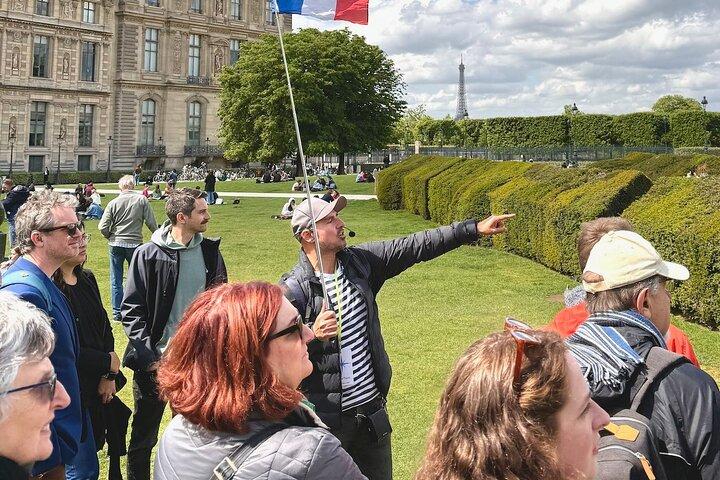
Paris Historic City Center Tour
Paris Historic City Center Tour
This walking tour threads you through the tight streets around the Île de la Cité, where stone façades are darkened by centuries and café awnings glow against the grey. You hear church bells mixing with scooter engines, smell crêpes and roasted chestnuts, and feel the slick cobblestones under your boots as you duck into alleys you’d never choose alone.
Paris Historic City Center Tour
The tour winds you back toward the Seine; from there, Maslow is a 12‑minute walk along Quai de la Mégisserie.

Maslow
Maslow
Facing the Seine, Maslow is all clean lines, pale wood, and a calm, canteen‑like layout that still feels grown‑up. The room smells of fresh cooking—roasted vegetables, herbs, and good olive oil—and you can hear the soft clatter from the open kitchen.
Maslow
After lunch, cross back into the 2nd arrondissement; Cave De Vie is about a 15‑minute walk through the narrow streets.

Cave De Vie
Cave De Vie
Cave De Vie is a snug cave in the 2nd with bottle‑lined walls, a small bar, and a couple of tables that feel almost tucked into the shelves. The air is cool and smells of stone, cardboard, and just‑opened wine.
Cave De Vie
From Cave De Vie, it’s a short 8‑minute walk north to Argile in the 9th—enough time to let the last sip fade.

Argile restaurant
Argile restaurant
Argile is a low‑lit, minimalist dining room in the 9th where each table feels like its own little stage. The air smells of reduced sauces, grilled fish, and toasted bread, and the clink of cutlery lands against a soft, curated soundtrack.
Argile restaurant
Step back into the night and walk 12 minutes down toward the 4th; Vingt‑Quatre is your nightcap, tucked into Rue Quincampoix.

Vingt-Quatre
Vingt-Quatre
Vingt‑Quatre is a slim bar in the 4th, with a long counter, bottles stacked behind, and just enough tables to keep things social without feeling crowded. The lighting is amber and flattering, the air scented with wine and a hint of citrus from occasional cocktails.
Vingt-Quatre
From here, it’s an easy metro hop or a slow walk back through the 1st and 2nd to your hotel; let the cool air clear your head.

Canal
Canal Saint‑Martin & Oberkampf After Dark
Morning comes with a paler sky and the quiet of the 10th arrondissement before the cafés fill. You slip into Le Robinet d'Or by the Canal Saint‑Martin, where the smell of coffee and warm bread wraps around you the moment you step in from the cold. Outside, the canal is still, iron footbridges framed against bare trees; inside, cutlery clinks softly over croissants as hotel guests and locals share the same small room. A short walk delivers you to the water’s edge and Jardin du Luxembourg via a metro hop, where gravel paths crunch underfoot and winter‑bare trees sketch patterns against the sky—proof that even in December, parks hold their own kind of quiet theatre. Lunch pulls you back toward the canal at L’angelus du canal, a tiny room that feels like an old friend’s dining room, all wood and warmth and the smell of butter and garlic from a plate of escargots. The afternoon drifts into a slow wander north, pausing at Levain, Le Vin where the tang of sourdough mingles with the earthy scent of open bottles. As the light disappears absurdly early, you ride the metro east to Oberkampf, where Restaurant Musa Oberkampf hums with locals on a late lunch rolling into early dinner—seasonal plates, a thoughtful wine list, and that low, flattering light you secretly hope for. The night finishes at UVA Cave, a small natural wine bar that feels like someone’s living room: good playlist, close tables, and the sense that everyone here knows a little more about what’s in their glass than they’re letting on. Tomorrow, you trade the canal for the hill and the neon of Pigalle.

Le Robinet d'Or Restaurant & Bar Canal Saint Martin
Le Robinet d'Or Restaurant & Bar Canal Saint Martin
Just off Canal Saint‑Martin, Le Robinet d’Or feels like a slightly time‑worn brasserie—tiled floors, wooden chairs, and big windows that frame the canal’s still water. The room smells of coffee and pastries in the morning, then shifts to steak, sauces, and citrus‑spiked cocktails as the day runs on.
Le Robinet d'Or Restaurant & Bar Canal Saint Martin
From Le Robinet d’Or, walk 8 minutes to Gare de l’Est and take the metro down toward Luxembourg for a winter park stroll.

Jardin du Luxembourg
Jardin du Luxembourg
In winter, Jardin du Luxembourg is all bare trees, gravel paths, and the muted façade of the palace reflected in the central basin. The air is crisp, smelling of wet stone and cold earth, with the sound of footsteps and distant children’s voices carrying.
Jardin du Luxembourg
Hop back on the metro toward the 10th; L’angelus du canal is a short walk from Jacques Bonsergent or République.
L’angelus du canal
L’angelus du canal
L’angelus du canal feels like a pocket of old‑school Paris: wood‑paneled walls, chalkboard menus, and tables set close enough that you catch your neighbors’ dessert decisions. The air is thick with the smell of butter, garlic, and red wine sauce, and the soundscape is all clinking cutlery and easy laughter.
L’angelus du canal
After lunch, stroll 10 minutes north along the canal to Levain, Le Vin for an afternoon bread‑and‑wine interlude.

Levain, Le Vin
Levain, Le Vin
Levain, Le Vin is part bakery, part wine bar: stacks of crusty loaves, shelves of bottles, and a counter where both worlds meet. The air smells of warm sourdough, yeast, and the faint tang of recently opened wine.
Levain, Le Vin
From here, catch the metro east to Parmentier or Oberkampf; Restaurant Musa Oberkampf is a short walk from either station.

Restaurant Musa Oberkampf - Paris 11
Restaurant Musa Oberkampf - Paris 11
Musa Oberkampf is a warm rectangle of light on Rue Saint‑Maur, all bare wood, soft bulbs, and an open view into a busy kitchen. The air smells like seared vegetables, stock reducing, and a little bit of wine spilled on wood; the soundtrack is low, letting the clink of cutlery and soft French conversation carry.
Restaurant Musa Oberkampf - Paris 11
Walk 8 minutes down Rue de Malte to UVA Cave to keep the night going in a more intimate key.

UVA Cave
UVA Cave
UVA Cave feels like a friend’s living room reimagined as a wine bar: low lighting, records spinning something soulful, and shelves of bottles with hand‑written tags. The air carries a mix of cork dust, cheese rind, and that faint mineral tang of open wine.
UVA Cave

Hill
Pigalle Glow & Montmartre Shadows
The third morning has a slightly slower pulse; last night’s glasses still echo faintly as you head toward the 9th arrondissement, where guitar shops, old cabaret posters, and new‑wave wine bars share the same streets. You start at Soif, la Cave à Pigalle, which doubles as a daytime refuge: a few stools, crates of bottles, and a sommelier who talks you through the neighborhood’s natural wine scene while you warm up from the chill outside. From there, the hill pulls you upward toward Sacré‑Cœur—its white stone almost too bright against the grey sky, bells carrying over the city while the stone steps feel worn smooth under your boots. Lunch at Les Blancs Becs brings you back down to human scale: a compact room, warm wood, and the clatter of plates as locals tuck into plates and carafes. Afternoon is for lingering: you drop into L’Ange rouge and La Cave Pigalle, where shelves of bottles and soft lighting make time feel optional, and then Magnolia for an early dinner—its room a calm pocket of good sound, flattering light, and plates that taste like someone actually thought about winter produce. The night pushes a little later at Trouble, whose name suits the mood: candlelit tables, a bar humming with people talking about wine in three languages, and a playlist that leans just loud enough to make you stay for one more glass. Tomorrow, you’ll leave the 9th’s neon for the east’s scruffier edges.

Soif, la Cave à Pigalle
Soif, la Cave à Pigalle
Soif is a tiny, open‑fronted cave in Pigalle with crates of bottles, a narrow counter, and a few stools that are always just about to be claimed. The air smells of cold stone, corks, and the faintest hint of whatever’s being poured that day.
Soif, la Cave à Pigalle
From Soif, walk uphill through the backstreets of Pigalle toward Sacré‑Cœur; it’s a 15‑minute climb with plenty of detours for photos.

Basilique du Sacré-Cœur de Montmartre
Basilique du Sacré-Cœur de Montmartre
Sacré‑Cœur crowns Montmartre with chalk‑white domes that almost glow against a grey December sky. The steps outside are a theatre of buskers, tourists, and locals, while inside, the air is cool, stone‑scented, and hushed.
Basilique du Sacré-Cœur de Montmartre
Head back down toward the 9th via Rue des Martyrs; Les Blancs Becs is about a 15‑minute descent.
Les Blancs Becs
Les Blancs Becs
Les Blancs Becs is a compact bistro in the 9th, with soft pendant lights, wooden tables, and a small bar lined with bottles. The room smells like seared meat, butter, and good stock, with a soundtrack of clinking glass and low conversation.
Les Blancs Becs
After lunch, wander a few minutes down Rue Henry Monnier to check out the neighborhood cavistes.

L'Ange rouge - Caviste - Pigalle
L'Ange rouge - Caviste - Pigalle
L’Ange rouge is a compact caviste in Pigalle, with bottles stacked high and a counter that doubles as a tasting perch. The air smells of cardboard, cork, and cool stone.
L'Ange rouge - Caviste - Pigalle
From Rue Henry Monnier, it’s a 7‑minute walk to Magnolia for an early dinner.

Magnolia
Magnolia
Magnolia is a calm, modern room in the 9th, with clean lines, soft lighting, and a soundtrack that stays just under the level of conversation. The air smells of roasted vegetables, well‑seared protein, and a hint of wine.
Magnolia
After dinner, stroll 5 minutes to Trouble for a shift from food to pure wine bar mood.

Trouble
Trouble
Trouble is dim and intimate, all candles, wooden tables, and a bar stacked with bottles that lean heavily natural. The air is rich with the smell of pâté, toasts, and open wine, and the soundtrack skews cool—enough bass to feel in your ribs without drowning out conversation.
Trouble

East
Belleville Nights & Ménilmontant Echoes
Your final day tilts east, toward Belleville and Ménilmontant, where Paris feels less curated and more lived‑in. Morning begins a little later at Chambre Noire Ménilmontant, where the shutters lift slowly and the room smells like coffee grounds and the ghosts of last night’s bottles. It’s quiet, almost meditative: a few locals at the bar, handwritten notes on producers pinned to the walls, and that sense you’ve crossed into a neighborhood that takes its wine seriously but itself less so. A metro hop brings you briefly back to the center for a look at Notre‑Dame’s evolving silhouette—scaffolding, cranes, and all—before you drift back east for lunch at Dandelion, whose cosy room and seasonal plates feel like a soft landing. The afternoon is for wandering Belleville’s ridge, slipping into La Cave de Belleville where shelves of bottles and the clink of glasses create a low‑key soundtrack. As the sky fades absurdly early, you cross to Restaurant Musa Belleville, where dinner feels like a neighborhood party: music up a notch, plates generous, staff moving with that mix of efficiency and mischief that makes you want to stay. The trip closes at Kissproof Belleville, its bar glowing on Rue de Belleville like a film set—cocktails mixed with precision, conversations spilling onto the terrace under heat lamps, and the city stretching out below. You walk back through the cold with the taste of your last glass lingering, already plotting which arrondissement you’ll claim next winter.
Chambre Noire Ménilmontant
Chambre Noire Ménilmontant
Chambre Noire is a dim, bottle‑lined space in Ménilmontant, with a long bar, mismatched chairs, and handwritten notes about producers taped up like love letters. The room smells of coffee early in the day and of wild, slightly funky natural wines as evening rolls in.
Chambre Noire Ménilmontant
From here, ride the metro down toward Île de la Cité for a late‑morning look at Notre‑Dame.

Notre-Dame Cathedral of Paris
Notre-Dame Cathedral of Paris
Notre‑Dame stands mid‑restoration, its stone flanked by scaffolding and cranes that glow under winter light. The air around the parvis smells of roasted chestnuts, exhaust, and river damp, with bells still marking the hours.
Notre-Dame Cathedral of Paris
Take the metro back east toward the 20th; Dandelion is a short walk from Rue des Vignoles.

Dandelion
Dandelion
Dandelion’s room is compact and cosy, with pale walls, wooden tables, and a kitchen that sends out plates smelling of charred leeks, seared meat, and butter. The lighting is warm but not too dim, casting a soft glow on wine glasses and ceramic plates.
Dandelion
After lunch, wander up toward Rue de Belleville; La Cave de Belleville is about a 12‑minute walk.

La Cave de Belleville
La Cave de Belleville
La Cave de Belleville is a deep, bottle‑lined space with a long bar and a few tables, buzzing with locals who treat it as both shop and bar. The air smells of cheese, charcuterie, and open wine.
La Cave de Belleville
From La Cave de Belleville, it’s a short 5‑minute walk down Rue de Belleville to Restaurant Musa Belleville.

Restaurant Musa Belleville - Paris 20
Restaurant Musa Belleville - Paris 20
Musa Belleville is a lively space on Boulevard de Belleville, with music up, lights warm, and tables that turn over slowly as groups settle in. The air smells of grilled dishes, spice, and wine, with an undercurrent of the street’s energy seeping in.
Restaurant Musa Belleville - Paris 20
Step back onto Rue de Belleville and walk 3 minutes to Kissproof for a final set of cocktails or a last glass of wine.

Kissproof Belleville
Kissproof Belleville
Kissproof glows on Rue de Belleville with a long, polished bar, deep booths, and a terrace that stays active even in winter under heaters. Inside, the air smells of citrus peels, grilled burgers, and spirits, with shakers cracking ice over a soundtrack of well‑chosen electronic and indie tracks.
Kissproof Belleville
Customize
Make This Trip Yours
5 more places to explore

Eunoé
Eunoé is a small, softly lit dining room in the 11th, where tables are dressed simply and plates arrive looking like someone composed them with a painter’s eye. The air is rich with the smell of roasting meat, butter, and herbs, and the murmur of conversation never quite rises above the clink of glassware.
Try: Opt for the tasting menu if offered and ask for a pairing that leans natural and small‑producer.

Le 18 Oberkampf
Le 18 Oberkampf is a narrow bar with bottles lining the walls and a long counter catching the glow of filament bulbs. The space feels intimate, with soft music, low conversation, and the occasional pop of a cork cutting through.
Try: Ask for an orange wine recommendation and let them choose something textural and a bit wild.

La Cave du Canal, Cave et Bar à Vin
La Cave du Canal is half shop, half bar: bottles stacked to the ceiling, a few high tables, and the faint echo of conversation bouncing off the stone floor. The smell is all cork, cardboard, and a hint of cheese, with the occasional waft of something warming in the small kitchen.
Try: Ask what they’re pouring by the glass that isn’t on the printed list—often a more interesting bottle just opened.

Pink Mamma
Pink Mamma is a multi‑floor Italian fantasia in the 9th, all tiled floors, hanging plants, and sunlight (or soft bulbs) pouring through big windows. The air smells of wood‑fired pizza, truffle pasta, and burrata, with a lively soundtrack and the constant clatter of plates.
Try: Get the smoked burrata and the truffle pasta, then ask for a bottle from their Italian‑leaning list.

Sémélé
Sémélé is an intimate bar on Rue Sedaine with a few small tables, a short menu of plates, and a wall of carefully chosen bottles. The air smells of toasted bread, charcuterie, and whatever bottle has just been opened at the bar.
Try: Ask for a mixed plate of cheese and charcuterie and pair it with a staff‑picked bottle from the Loire.
Before You Go
Essential Intel
Everything you need to know for a smooth trip
What is the best time to visit Paris for this food and wine-focused trip?
How can I get around Paris during my stay?
What should I pack for a December trip to Paris?
Are there any specific neighborhoods in Paris known for their food and wine?
Do I need to make reservations for restaurants in advance?
Are there any food or wine festivals happening in December 2025?
What cultural etiquette should I be aware of when dining in Paris?
Can I visit vineyards near Paris during this trip?
How much should I budget for meals and wine in Paris?
What are some must-try foods in Paris during this trip?
Coming Soon
Build Your Own Trip
Create your own personalized itinerary with our AI travel agent. Join the waitlist.