
Your Trip Story
Cold air bites a little sharper in Kyoto in December. The sky is a flat, pale grey that makes temple roofs and persimmon-orange shrines look like ink strokes on rice paper. Steam lifts from coffee cups in tiny Higashiyama cafés, the smell of freshly ground beans mixing with wet stone and incense from a nearby hall. You hear it before you see it: the soft thud of geta on cobblestones, a bell from somewhere up the hill, a river moving slowly at the edge of your peripheral vision. This trip leans hard into that quieter Kyoto people talk about but rarely find. Instead of chasing crowds through Fushimi Inari at midday, you’re walking along Shirakawa Canal after rain, or watching a textile master at SOUSHI TSUZURE-EN tease impossible color out of silk. The city’s neighborhoods—Gion’s old geiko lanes, Kamigyo’s lived‑in calm near the Imperial Palace, the art-forward pockets around the Kamo River—each get their moment, stitched together with contemporary galleries, design hotels, and the kind of cafés that could sit comfortably in Copenhagen or Seoul but feel very much of Kyoto. Across three packed days, the rhythm tightens: mornings are for quiet shrines, kilns, and museums when the light is soft and the tour buses haven’t fully woken up. Afternoons pivot into studios, galleries, and workshops where you’re close enough to see the grain of wood, the weave of brocade, the brush marks on a ceramic bowl. Nights widen out again—Wagyu sukiyaki that fogs the windows, a maiko performance in Higashiyama, a drink in an art hotel bar where the city’s creative crowd actually hangs. By the time you leave, Kyoto feels less like a postcard and more like a place with a pulse you’ve learned to read: the way neighborhoods empty and fill, the etiquette that keeps Gion from becoming a theme park, the small rituals—hot coffee, cold air, warm tatami—that anchor winter days. You go home with clay under your nails, incense in your scarf, and a mental map of quiet corners you don’t feel like sharing with just anyone.
The Vibe
- Hidden kilns
- Quiet shrines
- Contemporary craft
Local Tips
- 01In Gion, photography rules are tightening—especially around private alleys where geiko and maiko work. Stay on main streets, don’t block doorways, and absolutely never chase or touch performers.
- 02December is dry and crisp; indoor spaces can feel overheated. Dress in layers you can peel off easily when you step into temples, cafés, and trains.
- 03Carry cash. Many small galleries, textile studios, and neighborhood cafés around Kamigyo and Sakyo still prefer notes over cards, especially for entry fees and small purchases.
The Research
Before you go to Kyoto
Neighborhoods
When exploring Kyoto, don't miss Gion, the city's most famous geisha district, where you can witness traditional performances and enjoy the charm of its historic streets. For a more romantic atmosphere, consider visiting the Ukyo-ku area, which is known for its picturesque scenery and local charm.
Events
If you're in Kyoto in December 2025, be sure to attend the traditional festival on December 2 and 3, which features spectacular celebrations throughout the day. Additionally, catch a concert featuring traditional instruments on December 3 at Gen Home Saiin for a unique cultural experience.
Etiquette
As a visitor in Kyoto, it's essential to be mindful of local customs, particularly in Gion, where new regulations may limit tourist access due to past disrespectful behavior. Always observe quietness and respect the privacy of geiko and maiko, as they are part of the living cultural heritage of the area.
Where to Stay
Your Basecamp
Select your home base in Kyoto, Japan — this anchors your journey and appears in the navigation above.
The Splurge
$$$$Where discerning travelers stay

Four Seasons Hotel Kyoto
The Four Seasons Kyoto wraps around a historic pond garden, where koi move lazily under the surface and lanterns flicker in the evening. Inside, high ceilings, soft carpets, and polished stone set a tranquil tone, with the occasional clink of glassware from the bar and the faint scent of florals and wood from the lobby. Floor-to-ceiling windows blur the line between interior calm and the meticulously tended garden outside.
Try: Book the afternoon tea and request a seat by the window overlooking the garden pond.
The Vibe
$$$Design-forward stays with character

Genji Kyoto 源氏京都
Genji Kyoto sits along the Kamo River with a refined, townhouse-inspired design: pale woods, stone, and internal gardens that pull in natural light. The rooftop garden offers a quiet perch above the city, where you hear more wind and distant traffic hum than immediate street noise. Inside, the atmosphere is hushed but not stiff, with staff moving quietly through the softly lit lobby and café.
Try: Take a slow lap through the rooftop garden, then sit in the café with a drink and watch the river traffic below.
The Steal
$$Smart stays, prime locations

Cross Hotel Kyoto
Cross Hotel Kyoto is contemporary and efficient, with a lobby that buzzes lightly in the evenings as guests return from Pontocho and Kawaramachi. Rooms are streamlined, with clean lines and large windows that bring in city light. Hallways are carpeted and quiet, muting the sounds of rolling luggage and late-night returns.
Try: Make use of the deep, family-style bathtub after long days; it’s a small design detail that makes a big difference.
Day by Day
The Itinerary

Culture
Day 1: River Light, Higashiyama Eaves & Nighttime Wagyu
The day starts low to the ground at Söt Coffee Kyoto Shichijo, the windows fogged slightly against the cold while the smell of dark roast cuts through the faint incense drifting from nearby temples. Morning is for Higashiyama’s slopes: wood underfoot at Kiyomizu-dera, the distant clack of wooden sandals, and the surprising silence when you duck off the main approach into side alleys. By late morning you’re inside a machiya at Tsukikusa-an, fingers grazing old beams and plaster, before tempura at Gion’s Ten no Meshi arrives in a small theater of sound—oil whispering, chopsticks tapping porcelain. Afternoon slows along the Shirakawa Canal, where you hear more water than people, then tightens again inside Zuikou Kyoto-Kiyomizu Studio as brushes scrape glaze onto clay. After dark, Wagyu sukiyaki at GOKU fogs the windows and your glasses, a rich contrast to the cold stone of the streets outside. The night closes at BnA Alter Museum’s bar and gallery, where the soundtrack leans electronic and the light glows off concrete and canvas. Tomorrow shifts north, into textiles and the quieter rhythm of Kamigyo and Nishijin.

Söt Coffee Kyoto Shichijo
Söt Coffee Kyoto Shichijo
A narrow, light-filled café just off Shichijo, Söt Coffee feels like a pocket of Scandinavian calm dropped into Higashiyama. The counter dominates the room, lined with gleaming pour-over equipment, while wooden stools and a few small tables hug the windows that fog gently on cold mornings. The air smells of freshly ground beans and chocolate, with a soft soundtrack of indie and low conversation.
Söt Coffee Kyoto Shichijo
10-minute walk through quiet backstreets toward the base of Kiyomizu-dera.
Kiyomizu-dera
Kiyomizu-dera
Perched on wooden stilts above the hillside, Kiyomizu-dera feels like a ship of timber sailing over Kyoto’s rooftops. The broad veranda creaks softly underfoot, incense drifts from the main hall, and the city spreads out below in muted winter tones. Crowds ebb and flow, but there are pockets of stillness along side paths and smaller sub-temples where the only sound is a bell and the rustle of coats.
Kiyomizu-dera
15-minute stroll downhill through side alleys toward the machiya streets of central Higashiyama.
Tsukikusa-an Machiya
Tsukikusa-an Machiya
This machiya stretches back from the street like a quiet corridor of wood and paper. Natural light filters through shoji screens, painting the tatami floors in soft rectangles, while dark ceiling beams and earthen walls give the rooms a grounded, almost hushed feeling. You hear little more than the slide of doors and the faint creak of old timber.
Tsukikusa-an Machiya
10-minute walk through Gion’s edges toward lunch on a quieter back street.

Kyoto Tempura Ten no Meshi Gionhonten
Kyoto Tempura Ten no Meshi Gionhonten
Tucked into Gion, this tempura counter glows with warm light on polished wood. The open kitchen is the stage: oil whispering, chefs in crisp whites moving with quick precision, plates landing with a soft clink. The air carries a clean, toasty aroma of sesame oil and fresh seafood rather than heavy fry grease.
Kyoto Tempura Ten no Meshi Gionhonten
15-minute walk weaving through Gion’s main streets toward the quieter banks of the Shirakawa Canal.

Shirakawa Canal
Shirakawa Canal
The Shirakawa Canal slides quietly through Gion, its surface broken only by the occasional leaf or ripple from a passing breeze. Traditional wooden houses lean toward the water, their latticed windows and low lanterns reflected in the slow current. After rain, the stone embankments darken and the air smells of wet rock and wood, with little more than footsteps and bicycle bells punctuating the hush.
Shirakawa Canal
10-minute walk back up the slope toward the Kiyomizu area for a hands-on studio visit.

Zuikou Kyoto-Kiyomizu Studio
Zuikou Kyoto-Kiyomizu Studio
Zuikou’s Kiyomizu studio is a working ceramics space with shelves of bisque-fired pieces and bowls of colored glazes on sturdy tables. The air smells of clay, water, and a hint of kiln heat, and you can hear the soft scratch of brushes against pottery as visitors concentrate on their designs. Light from large windows makes the surfaces of bowls and cups glow softly before firing.
Zuikou Kyoto-Kiyomizu Studio
Short taxi ride (10 minutes) across the river to Kawaramachi for dinner.

WAGYU SUKIYAKI 極~GOKU~京都河原町 Kyoto Kawaramachi
WAGYU SUKIYAKI 極~GOKU~京都河原町 Kyoto Kawaramachi
Inside GOKU, tables glow with the orange light of portable burners, each one crowned with a shallow iron pan of gently simmering broth. The room hums with conversation and the occasional delighted exclamation as marbled Wagyu slices all but dissolve after a quick dip. Sweet soy and beef fat scent the air, clinging to your scarf in a way you won’t mind at all on a cold night.
WAGYU SUKIYAKI 極~GOKU~京都河原町 Kyoto Kawaramachi
10-minute riverside walk south to BnA Alter Museum, letting dinner settle.

BnA Alter Museum
BnA Alter Museum
BnA Alter Museum is part gallery, part hotel, part bar, with concrete surfaces and bold artworks bleeding into every corner. The lobby is a vertical slice of Kyoto’s contemporary art scene: rotating installations, neon accents, and the low thump of a carefully curated playlist. At night, the bar’s amber bottles and soft lighting reflect off polished surfaces, creating a layered, urban glow.
BnA Alter Museum

Art
Day 2: Looms, Pages & Winter Gardens in the North
Morning in Kamigyo feels different: fewer souvenir signs, more laundry on balconies and the quiet whirr of bicycles on narrow streets. You warm up at cafe origi, where the hiss of the espresso machine cuts through the cold and the soft-serve machine hums in the corner, then step into Kyoto Gyoen National Garden where winter strips the palette back to moss, bark, and sky. Mid-morning is all about making—first at SOUSHI TSUZURE-EN, where the rhythmic clack of looms and the sheen of tsuzure-ori tapestries pull you close, then at Magasinn Kyoto, a gallery-store hybrid where local design feels tactile and lived-in. Lunch takes you deeper north to Kyoto Dining, the air inside warm with grill smoke and the sound of conversations bouncing off wood. The afternoon stretches between the quiet of Book & Café Kotoba no Haoto—pages turning, cats padding across tatami—and the more formal glow of the Nishijin Asagi Museum’s textiles and ukiyo-e prints. As light fades, Kyoto Imperial Palace’s surrounding streets grow blue and still, setting the tone for a simple, considered dinner nearby at Kyoto Gyukatsu Motomura. You close the day back toward the station at Iwashi Coffee, where single-origin drip and tatami seating slow time to a near-stop, setting up tomorrow’s foray into Kurama’s mountain air and riverside shrines.

cafe origi
cafe origi
cafe origi sits quietly on a Kamigyo corner, with a simple sign and large windows that pull in pale winter light. Inside, wood tables and a compact counter keep things intimate, while the soft whirr of equipment and the clink of cups provide a gentle soundtrack. The air smells of espresso, roasted tea, and occasionally their surprisingly rich soft serve.
cafe origi
10-minute walk east toward Kyoto Gyoen National Garden’s western entrances.

Kyoto Gyoen National Garden
Kyoto Gyoen National Garden
Kyoto Gyoen spreads around the Imperial Palace like a green (and in winter, brown-and-moss) buffer, with wide gravel paths, groves of old trees, and pockets of stillness. The crunch of gravel underfoot is constant, as are the distant sounds of cyclists and joggers. The air feels open, especially compared to Kyoto’s narrower streets, and smells of earth and leaves.
Kyoto Gyoen National Garden
Short taxi or 20-minute walk northwest into the Nishijin area for a deep-dive into textile craft.

SOUSHI TSUZURE-EN TEXTILE STUDIO
SOUSHI TSUZURE-EN TEXTILE STUDIO
The studio is a working space, with looms taking up most of the floor and walls lined with shimmering tapestries. Natural light and simple lamps illuminate the silk threads, making gradients of color shift as you move. The main sounds are the rhythmic clack of weaving and the low, explanatory voice of the master as he talks through his craft.
SOUSHI TSUZURE-EN TEXTILE STUDIO
10-minute walk or quick taxi north toward the Magasinn Kyoto gallery-store.
マガザンキョウト
マガザンキョウト
Magasinn Kyoto is a calm, white-walled space where objects are given room to breathe. Wooden shelves hold ceramics, textiles, and publications, while the floorboards creak softly underfoot. The light is bright but diffused, making the subtle textures of glazes and fabrics stand out without glare.
マガザンキョウト
Taxi 15–20 minutes north-west toward Kita Ward for lunch at Kyoto Dining.

Kyoto Dining
Kyoto Dining
Kyoto Dining sits quietly in Kita Ward, a modest dining room with wood accents and a relaxed neighborhood feel. The air is warm and carries the scent of grilled fish, simmered vegetables, and miso. Conversations ripple softly between tables, more local than tourist, and the overall pace is unhurried.
Kyoto Dining
Taxi 15 minutes back east toward the quieter streets north of the Imperial Palace for a bookish café break.

Book & Café Kotoba no Haoto
Book & Café Kotoba no Haoto
This café feels like a living room curated by a book lover: shelves heavy with volumes, mismatched chairs, and the occasional cat padding across tatami. Light pools in from small windows, leaving cozy corners in soft shadow, and the air smells of coffee, baked sweets, and old paper. The main sounds are pages turning, spoons against ceramic, and the soft patter of paws.
Book & Café Kotoba no Haoto
10-minute walk or short taxi west into central Nishijin for a compact museum stop.

Nishijin Asagi Museum
Nishijin Asagi Museum
This compact museum feels like a jewel box of textiles and prints. Dim, focused lighting makes the colors in Nishijin fabrics and ukiyo-e prints glow, while glass cases and hanging panels keep the space feeling airy. The only real sounds are your own footsteps and the occasional murmur from another visitor lingering over a particularly intricate weave.
Nishijin Asagi Museum
Taxi 15–20 minutes south toward central Nakagyo for a hearty dinner near Kawaramachi.

Kyoto Gyukatsu Motomura Sanjo Kawaramachi Branch
Kyoto Gyukatsu Motomura Sanjo Kawaramachi Branch
This branch of Motomura is compact and efficient, with counter and small table seating that turns over steadily. The sizzle of personal grills and the clink of chopsticks on ceramic are constant, and the smell of frying cutlets and miso soup fills the air. Bright lights and clean surfaces keep the space feeling brisk rather than cramped.
Kyoto Gyukatsu Motomura Sanjo Kawaramachi Branch
Short walk to a nearby station, then quick train hop and 10-minute walk to Iwashi Coffee near Kyoto’s rail lines.

Iwashi Coffee
Iwashi Coffee
Iwashi Coffee is all about restraint: simple wood furniture, tatami seating, and shelves with a few carefully chosen books. The lighting is low and warm, casting a gentle glow over cups of single-origin drip that send up thin curls of steam. The room is quiet enough that the soft gurgle of the pour-over kettle and the rustle of pages become noticeable.
Iwashi Coffee

Pilgrimage
Day 3: Mountain Air, River Shrines & Digital Afterglow
The day opens with train tracks and coffee: Kurasu Kyoto Stand humming beside Kyoto Station, steam rising from cups as Shinkansen slide in and out like clockwork. From there, the city falls away as you ride north toward Kurama; the air sharpens, and by the time you reach Kuramadera, the soundscape has shifted to wind in cedars, crows, and the crunch of your boots on the Kinone-michi trail roots. Midday takes you over the ridge and down toward Kifune Shrine’s rear sanctuary, where the river’s constant murmur and the red of lanterns against winter stone feel almost unreal. Back in town, To-ji’s five-story pagoda cuts a dark silhouette against the pale afternoon sky, its grounds quiet compared to central Kyoto, while Higashi Hongan-ji’s massive wooden halls smell of incense and old tatami. Lunch and dinner bookend the urban interlude: gyukatsu near the station at GYUKATSU Kyoto Katsugyu, then Halal Wagyu at Wagyu PANGA in Gion, each bringing their own version of winter comfort. As night falls, teamLab Biovortex pulls you into a different kind of shrine—digital, immersive, and humming with sound and light—before a final, late café stop at Kissa Kishin, where the day’s images settle over hot drinks and soft light. You leave Kyoto with mountain air still in your lungs and LED afterimages flickering at the edges of your vision.
Kurasu Kyoto Stand
Kurasu Kyoto Stand
Right by Kyoto Station, Kurasu Kyoto Stand is a slim, efficient space with a serious coffee bar and just enough room for a few standers and perchers. The air is thick with the aroma of freshly ground beans, and the hiss of steam wands often competes with distant station announcements. Clean, minimal design keeps the focus on the coffee and the baristas’ precise movements.
Kurasu Kyoto Stand
Hop on the Eizan line north toward Kurama; the ride takes about 30–40 minutes and feels like a reset button.

Kuramadera Temple
Kuramadera Temple
Kuramadera climbs a forested mountainside north of Kyoto, its halls and stairways woven into tall cedars and mossy stone. The air is crisp and smells of earth and resin, and the main sounds are wind through branches, crows, and the soft shuffle of boots on stone steps. From the main hall, views stretch over the valley, muted and blue in winter light.
Kuramadera Temple
Continue along the Kinone-michi trail that links Kuramadera toward the Kifune side of the mountain.

Kinone-michi
Kinone-michi
Kinone-michi is a forest trail along the ridge between Kurama and Kifune, its surface laced with thick tree roots that twist like frozen waves. The air is cool and smells of cedar and earth, and the main sounds are wind in the canopy and the crunch of your boots. Patches of sunlight break through to spotlight moss and stones, making the path feel both ancient and alive.
Kinone-michi
Descend toward Kifune and follow signs to the rear sanctuary of Kifune Shrine.
![Kifune Shrine - Okumiya [Rear Shrine]](/_next/image?url=https%3A%2F%2Fd3noobjad2lvzb.cloudfront.net%2Fphotos%2Fproxy%3Fphoto_reference%3DAWn5SU5Yoo4HCu8X5MxW11mKW4nADMmehFv6vpV27nBuatizHCsdwG1mp4KjBcUlbO7TJ8KIWvxtkyAx7mLdhCy9Qqoz27XjWQLddK61KSoW7Zt0FDXp7V2W9qd62I4ceJzl9o_vnxVN1zogkvbWTRFnKdQTwfhFKmaFeq0369EPD9C1D1gbMIqQqwwCJ6jfqkkxLzquT98PpNtitzi-MhgVAyM4GM_efs0fIJsE9AMqTAdqUCXhxjrEzk_Tw9t_jWu1jJOSp6Nm-WKIsbUlGhDY-gL2kRSK9ng-Za9ckz1BO60PKC05INJ-715AGf8FPF5TjPMCVcMnDgvgmGTrdpukBr0anJGb8pSkw6Pg4eF8Uj5ipHCZ8smUJQ2rjDsFKHTrE5M63ek_bmlSUkeYXpx1Jxx6gKrcU7jxywBZ52P5q49lfts52HxQi_dBzBIXmQLd09KtLyYTiAt-QC57ffdQZw8UwSWiYJNDn8wRyNnshbxMY2b-pVQ6_sXFq9PfHKJChh7EQZo245uRfqqCJFsXODFkehpnXLIw3m_xLmTzaZTvZznkP-lv3adXMXxFnvzUJIW9Sw9b%26maxwidth%3D800&w=3840&q=75)
Kifune Shrine - Okumiya [Rear Shrine]
Kifune Shrine - Okumiya [Rear Shrine]
Okumiya sits deeper into the Kifune valley, surrounded by tall trees and the constant murmur of the river. Stone steps, mossy lanterns, and simple wooden structures give it a slightly wild, unpolished feel compared to more manicured city shrines. The air is cool and damp, carrying the scent of water and earth.
Kifune Shrine - Okumiya [Rear Shrine]
Make your way back to the station, ride the train back toward Kyoto, and head to Kyoto Station’s south side for a late lunch.

GYUKATSU Kyoto Katsugyu Kyoto Ekimae
GYUKATSU Kyoto Katsugyu Kyoto Ekimae
Just outside Kyoto Station, this Katsugyu branch buzzes with travelers and locals grabbing a quick, hearty meal. The interior is bright and straightforward, with the sound of sizzling cutlets and clattering dishes filling the space. The smell of frying batter and savory sauces hits you as soon as you step in from the cool station air.
GYUKATSU Kyoto Katsugyu Kyoto Ekimae
Walk or take a short taxi ride to To-ji Temple, just southwest of the station.

To-ji Temple
To-ji Temple
To-ji’s grounds are dominated by its five-story pagoda, which rises above gardens and ponds just southwest of Kyoto Station. The space feels open, with wide gravel paths and patches of trees, and the air smells of incense and cold stone. Footsteps crunch underfoot, and the occasional temple bell or announcement punctuates the quiet.
To-ji Temple
Walk or taxi 10 minutes northeast to Higashi Hongan-ji for another, very different take on temple scale.

Higashi Hongan-ji Temple
Higashi Hongan-ji Temple
Higashi Hongan-ji looms just north of Kyoto Station, its massive wooden halls and wide courtyards creating a sense of scale that’s hard to grasp until you’re standing there. Inside, tatami stretches out under high ceilings, and the smell of incense and old wood is strong but not overpowering. The space absorbs sound, making even a crowd feel strangely quiet.
Higashi Hongan-ji Temple
Taxi or train plus short walk to Gion Shijo for a Wagyu-forward dinner at Wagyu PANGA.

和牛ぱんが京都祇園四条店 Wagyu PANGA Kyoto Gion-shijo | Kyoto Halal restaurant
和牛ぱんが京都祇園四条店 Wagyu PANGA Kyoto Gion-shijo | Kyoto Halal restaurant
Wagyu PANGA Gion-shijo is a bright, comfortable space where tabletop grills glow and plates of Halal-certified Wagyu arrive artfully arranged. The air hums with the gentle sizzle of meat and the low murmur of diners, and the smell of soy, garlic, and rendered fat is immediate the moment you step through the door. Clean lines and simple decor keep the focus on the food and the grill in front of you.
和牛ぱんが京都祇園四条店 Wagyu PANGA Kyoto Gion-shijo | Kyoto Halal restaurant
Walk or quick train to Minami Ward’s Aeon Mall area for teamLab Biovortex’s immersive night show.

teamLab Biovortex Kyoto
teamLab Biovortex Kyoto
teamLab Biovortex is a dark, immersive environment where projections and soundscapes respond to your movement. Rooms bloom with swirling patterns of light that mimic natural phenomena—vortices, flows, and growth—while low-frequency audio hums underfoot. Surfaces are smooth and reflective, making you feel like you’re walking inside a living screen.
teamLab Biovortex Kyoto
Head back toward Higashiyama for a final, quieter café stop at Kissa Kishin before calling it a night.

Kissa Kishin Kyoto
Kissa Kishin Kyoto
Kissa Kishin is a modern kissaten tucked into a Higashiyama building, all clean lines, raw materials, and carefully chosen ceramics. The room is softly lit, with a warm glow on the counter where baristas move slowly and deliberately. The air smells of coffee, toasted bread, and sometimes a savory daily special, and the only real sounds are low conversation and the gentle clink of porcelain.
Kissa Kishin Kyoto
Customize
Make This Trip Yours
1 more places to explore
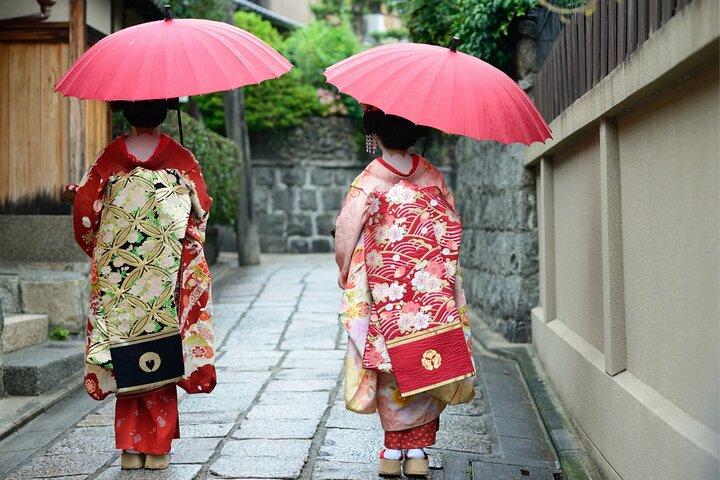
Maiko Dance: Traditional Performance & Q&A
Set in an intimate tatami room in Higashiyama, this performance folds you into the quiet world of Kyoto’s maiko. Soft shamisen notes and the rustle of silk are the main sounds as the maiko moves through choreographed gestures, her white makeup and elaborate hair catching the low, warm light. Afterwards, the room relaxes into conversation, the smell of tea and tatami grounding the whole experience.
Try: Stay for the Q&A portion and ask one thoughtful question; the candid answers are often the most memorable part.
Before You Go
Essential Intel
Everything you need to know for a smooth trip
What is the best time to visit Kyoto for a cultural and art-focused trip?
How do I get around Kyoto during my trip?
Are there any specific cultural etiquettes I should be aware of?
What should I pack for a December trip to Kyoto?
Are there any special events in Kyoto during December?
How can I experience traditional Japanese art in Kyoto?
What is the best way to experience Kyoto's culinary culture?
Is it necessary to book temple visits in advance?
What budget should I plan for a 3-day cultural trip to Kyoto?
Can I participate in any art workshops while in Kyoto?
Coming Soon
Build Your Own Trip
Create your own personalized itinerary with our AI travel agent. Join the waitlist.