
Your Trip Story
Low winter sun slips between the facades of Eixample like a softbox, turning every balcony into a light experiment. December in Barcelona smells faintly of roasted chestnuts and espresso, the air cool enough that your breath fogs the lens for a second if you exhale too close. This isn’t a checklist trip; it’s four days of chasing how Gaudí’s curves catch golden hour, how Gothic stone swallows shadows, how the Mediterranean reflects a sherbet‑coloured sky. What makes this particular escape different is the way it treats the city like a studio. Instead of sprinting between sights, you work in neighbourhood chapters, the way every decent Barcelona guide quietly suggests: mornings in Ciutat Vella’s tight medieval grid, afternoons along Passeig de Gràcia’s modernist “Illa de la Discòrdia,” a detour up to the bunkers that locals whisper about on photo forums when they talk best sunrise and sunset angles. You’re not just “finding Instagram spots”; you’re learning the city’s light—how the façades along El Born’s Passeig del Born glow warm even in winter, how the Sagrada Família’s Nativity side softens in late afternoon. Across four days, the story builds: from ground‑level texture in the Gothic Quarter—worn flagstones, incense from side chapels—to big‑sky panoramas over Tibidabo and Turó de la Rovira. One day you’re inside Casa Batlló, watching colour bleed through stained glass; the next you’re on a wooden‑deck ketch, framing the whole skyline from the water as the sun drops behind Montjuïc. Nights shift from intimate wine bars off La Rambla to moody hotel rooftops that feel more private members’ club than tourist bar. By the time you pack your camera away, memory card heavy with facades, cloisters, and sea horizons, Barcelona will feel less like a destination and more like a collaborator. You leave with a grid full of golden‑hour frames, yes, but also with a sense of the city’s rhythm in December: slower, softer, locals reclaiming their favourite streets while the big summer festivals sleep. The light is lower, the colours richer, and for once you’re ahead of the crowd, not chasing it.
The Vibe
- Golden-hour obsessed
- Architectural voyeur
- Slow-travel urbanist
Local Tips
- 01Barcelona runs on a later clock: aim for breakfast around 9:00, lunch after 14:00, and dinner no earlier than 20:30 if you don’t want to sit in an empty room.
- 02Avoid political debates about Catalan independence unless a local brings it up; people have long memories here and it’s more than small talk.
- 03In over‑visited areas like the Gothic Quarter and around Sagrada Família, keep your photo footprint light: don’t block narrow streets or doorways for shots, and always ask before photographing people.
The Research
Before you go to Barcelona
Neighborhoods
For a truly immersive experience in Barcelona, explore the Gothic Quarter (Barri Gòtic), known for its medieval architecture and vibrant atmosphere. Don't miss the chance to wander through El Born, where you can find unique boutiques and local artisan shops that reflect the city's creative spirit.
Events
In December 2025, Barcelona will be buzzing with festive activities, including holiday markets that run from November 21 through January 4. Make sure to check out the local events calendar for special performances and celebrations that showcase the city's rich cultural heritage during the holiday season.
Local Favorites
If you're seeking hidden gems, consider taking a guided tour that reveals Barcelona's lesser-known spots, such as the charming streets of Gràcia or the artistic enclaves of Poblenou. Local guides like Alan and Octavio offer personalized experiences that lead you to the best-kept secrets, including must-try churros at Fiorella's favorite spot.
Where to Stay
Your Basecamp
Select your home base in Barcelona, Spain — this anchors your journey and appears in the navigation above.
The Splurge
$$$$Where discerning travelers stay

Mandarin Oriental, Barcelona
A polished luxury hotel on Passeig de Gràcia with a serene, almost gallery‑like lobby, muted palettes, and the faint scent of white flowers and polished wood. Upstairs, the rooftop offers clean lines and city glimpses framed by glass and steel.
Try: Have a cocktail in the rooftop bar and take a few discreet shots of the skyline between sips.
The Vibe
$$$Design-forward stays with character

Antiga Casa Buenavista
A restored 19th‑century hotel near Sant Antoni with patterned tile floors, warm wood, and a lobby that feels like a cross between a library and a living room. The air smells faintly of coffee and old stone, with street noise softened by thick walls.
Try: Spend a few minutes in the lobby or library, photographing the tile patterns and vintage details.
The Steal
$$Smart stays, prime locations

Hotel 1898
A former tobacco company turned plush hotel right on La Rambla, with colonial‑style interiors, dark woods, and a rooftop terrace looking over the old city. The lobby smells faintly of leather and polished brass, with the low murmur of guests drifting through.
Try: Take a drink on the terrace and shoot the surrounding rooftops as the street below comes alive with lights.
Day by Day
The Itinerary

Architecture
Gothic Shadows & Born Light Leaks
The day starts with the hiss of milk steaming in a tiny El Born café, the windows fogged just enough to turn the street outside into a soft blur. You warm your hands around a cup at Sweet Lima while the smell of butter and espresso clings to your scarf, then slip into the cool stone hush of Santa Maria del Mar, where the winter light climbs slowly up the nave like a time‑lapse. By late morning you’re in front of the Cathedral of Barcelona, framing geese in the cloister and tracing how sound shifts from the murmur of the square to the echo under Gothic ribs. Lunch is a tight, wood‑and‑tile room at BODEGA OLIVA, all clink of glasses and the sheen of olive oil on ceramic plates, before you wander Passeig del Born with its long, cinematic axis and shopfront reflections. As the sky drains to blue hour, you sit down at Viana, candlelight catching on wine glasses and textured walls, then finish in a bar that feels like a film set, the day’s images playing back in your head like contact sheets. Tomorrow the lines straighten and the palette lightens as you head for Passeig de Gràcia’s modernist facades.

Sweet Lima
Sweet Lima
A compact El Born café where pale wood, plants, and a glass pastry case glow in the soft morning light. The air hums with the grind of beans and the smell of buttered croissants, while conversations stay low and local.
Sweet Lima
5‑minute slow walk through El Born’s cobbled backstreets to the basilica.
Basílica de Santa Maria del Mar
Basílica de Santa Maria del Mar
A soaring Gothic basilica in El Born where slender columns rise like stone trees and stained glass windows cast muted colour across the flagstones. Inside, it’s cool and hushed, the air tinged with incense and candle wax.
Basílica de Santa Maria del Mar
8‑minute walk through El Born toward the Gothic Quarter, cutting via quiet side streets.

Cathedral of Barcelona
Cathedral of Barcelona
An imposing Gothic cathedral fronted by a broad stone square where buskers and street artists perform. Inside, vaulted ceilings, side chapels, and a palm‑filled cloister with resident geese create a layered, almost theatrical space.
Cathedral of Barcelona
10‑minute stroll deeper into the Gothic Quarter, weaving toward Carrer del Vidre for lunch.

BODEGA OLIVA
BODEGA OLIVA
A narrow, wood‑and‑tile bodega tucked into the old city, its bar lined with bottles and the air rich with garlic, grilled peppers, and Rioja. Tables run along the walls, close enough that conversations mingle into a warm, steady murmur.
BODEGA OLIVA
3‑minute amble back out to Passeig del Born, letting lunch settle as you walk.

Passeig del Born
Passeig del Born
A long, slightly tree‑lined promenade flanked by stone buildings, wine bars, and boutiques, leading toward the former market. Terraces spill into the walkway, and the soundscape is cutlery on plates, low conversation, and the occasional skateboard clatter.
Passeig del Born
5‑minute walk along narrow lanes to reach Viana for dinner.

Viana Barcelona
Viana Barcelona
A compact, low‑lit restaurant off a Gothic alley, all exposed brick, dark wood, and flickering candles. The room smells of seared seafood, truffle, and good red wine, with an excited buzz of conversation bouncing off the walls.
Viana Barcelona

Design
Passeig de Gràcia as Photo Studio
Morning breaks in Eixample with clean lines and pale stone catching the first light, a complete contrast to yesterday’s Gothic shadows. Coffee comes in a minimalist space like Nomad Coffee Bar, where the hiss of steam and the clack of cups echo against concrete and white tile, priming you for a day of architectural detail. Casa Amatller and Casa Batlló sit side by side on the Illa de la Discòrdia, façades like mood boards—Flemish gables, dragon‑scale roofs, floral stonework—begging to be studied up close rather than rushed past. Lunch at Con Gracia slows the tempo, all composed plates and soft linens, before you walk back along Passeig de Gràcia, tracing curves and cornices with your lens as the afternoon light turns honeyed. As the sky fades, the rooftop bars and hotel lobbies along the avenue glow like film sets, and even a simple dinner feels cinematic. Tomorrow, the horizon opens wider as you trade facades for sea and sky.

Nomad Coffee Bar (ex Coffee Lab)
Nomad Coffee Bar (ex Coffee Lab)
A minimal, almost lab‑like coffee bar tucked into a narrow passage, all clean lines, pale walls, and serious espresso equipment. The air smells of freshly ground beans and nothing else, with the quiet clack of cups and subdued conversation.
Nomad Coffee Bar (ex Coffee Lab)
5‑minute walk along Passeig de Gràcia toward the modernist block.
Casa Amatller
Casa Amatller
A modernist townhouse with a sharp stepped gable, ornate stonework, and a façade crowded with sculpted figures and floral motifs. Inside, creaking parquet, stained glass, and richly decorated rooms tell the story of a chocolate magnate’s refined tastes.
Casa Amatller
Step directly back out onto Passeig de Gràcia and move a few doors down to your next façade.
Casa Batlló
Casa Batlló
A surreal apartment building where the façade ripples with coloured tiles and balconies that look like bones, capped by a roof that resembles a dragon’s spine. Inside, curved wood, organic windows, and a lightwell shaded from deep blue to pale create a fluid, underwater feel.
Casa Batlló
Short 3‑minute walk back up Passeig de Gràcia before catching a quick taxi to Gràcia for lunch.

Con Gracia
Con Gracia
A small, quietly elegant dining room in Gràcia with crisp linens, low lighting, and an open view to a focused kitchen. The air is perfumed with reductions, butter, and herbs, and each plate arrives looking like a tiny art installation.
Con Gracia
10‑minute walk through Gràcia’s grid back toward the wider avenues of Eixample.

Illa de la Discòrdia
Illa de la Discòrdia
A single block of Passeig de Gràcia where Casa Batlló, Casa Amatller, and Casa Lleó Morera jostle for attention, each flaunting its own modernist personality. The street below is a river of shoppers and taxis; above, facades pose for anyone who looks up.
Illa de la Discòrdia
5‑minute stroll down Passeig de Gràcia to your dinner spot off the main drag.

Casa Amàlia
Casa Amàlia
A cosy restaurant tucked beside a market passage, with exposed brick, wooden beams, and a menu that leans into Catalan traditions with modern twists. The air smells of shellfish broth, roasted vegetables, and good olive oil.
Casa Amàlia

Panorama
Skylines, Bunkers & a Wooden‑Deck Horizon
Today the city pulls back and shows you its outline. You start with coffee in a Poblenou café where laptops hum and grinders whirr, the light already brighter this close to the sea. A quick wander through a creative space like Art Project Poblenou sets the tone—white walls, splashes of paint, the faint smell of turpentine and espresso mixing in the air—before you head uphill. Lunch near the slopes of Tibidabo is all grilled meat and warm plates between your chilled hands, fuel for the climb to the panoramic terraces where Barcelona spreads out like a model, every Eixample block neatly visible. Afternoon leans into the altitude, from Tibidabo’s fairground silhouettes to the raw concrete platforms of MUHBA Turó de la Rovira, where locals swear by the golden hour. As the sky turns sherbet, you’re already thinking of tomorrow’s sea‑level shots, the city’s outline now burned into your memory card and your mind.
The Miners Coffee Rambla Poblenou
The Miners Coffee Rambla Poblenou
A bright, plant‑filled café on Rambla del Poblenou with blond wood furniture, big windows, and a steady soundtrack of grinders and low‑key conversation. The smell of speciality coffee mingles with fresh pastries and the occasional whiff of the sea drifting up the rambla.
The Miners Coffee Rambla Poblenou
10‑minute walk through Poblenou’s grid to your late‑morning creative stop.

Art Project Poblenou
Art Project Poblenou
A flexible creative space in Poblenou with high ceilings, white walls, and paint‑splattered floors. Workshops and content‑creation courses take over the room, filling it with the smell of acrylic paint, coffee, and fresh ideas.
Art Project Poblenou
Taxi or rideshare up toward Sarrià‑Sant Gervasi and the base of Tibidabo for lunch.

Don Asador
Don Asador
A classic Argentinian‑style grill in Eixample, with dark wood, checkered tablecloths, and a visible parrilla sending out heat and smoke. The air is thick with the smell of grilled meat, garlic, and red wine, and the soundtrack is sizzling fat and contented conversation.
Don Asador
Short taxi ride up the winding road to the Tibidabo Panoramic Area.

Tibidabo Panoramic Area
Tibidabo Panoramic Area
A hilltop amusement zone and church complex overlooking the city, where the air is cooler and thinner and the skyline stretches from mountains to sea. Vintage rides creak and chime, and the wind carries the faint smell of popcorn and pine.
Tibidabo Panoramic Area
Taxi across the ridge and down toward Horta‑Guinardó and Turó de la Rovira.

MUHBA Turó de la Rovira
MUHBA Turó de la Rovira
A hilltop site with the concrete remains of Civil War anti‑aircraft batteries, graffiti, and scrubby grass, all opening onto a 360‑degree view of Barcelona. The wind is almost constant, carrying city sounds up in a faint, distant wash.
MUHBA Turó de la Rovira

Coast
Sea Lines & Golden Sails
The final day drops you to sea level, trading hills for harbour light. You wake in the old city again, but this time the focus is on plazas and bridges—Pont del Bisbe’s carved stone against a still‑pale sky, Gothic alleys just waking up. A mid‑morning wander through Ciutadella Park gives you water reflections, winter trees, and the sound of rowboats knocking softly against the lake edge. Lunch is casual, somewhere you can eat quickly and watch people, because the real set piece is afternoon: a wooden‑deck ketch sliding out of Port Vell, Barcelona’s skyline flattening into a perfect layered shot. The golden hour you’ve been chasing all trip now stretches across the water, Gaudí silhouettes behind you, sea breeze in your hair. Evening ends high again, this time on a hotel rooftop where the city lights flicker and the December air feels sharper, your memory card full and your shoulders finally dropping.

Vera Cafè
Vera Cafè
A tiny, rustic café with mismatched chairs, wood shelves, and a small counter stacked with cakes and sandwiches. The space fills with the smell of freshly ground coffee and toasted bread, and the chatter is intimate—mostly locals and a few in‑the‑know visitors.
Vera Cafè
10‑minute walk through the Gothic Quarter’s narrowing lanes toward your morning bridge shot.

Pont del Bisbe
Pont del Bisbe
Marble crossing between 2 buildings in the Gothic Quarter, marked by a skull pierced with a dagger.
Pont del Bisbe
15‑minute walk, cutting past the edge of El Born, into the green of Ciutadella Park.

Ciutadella Park
Ciutadella Park
Barcelona’s central green lung, with a lake, ornate fountain, palm trees, and wide gravel paths full of joggers, dog walkers, and musicians. In winter, the air is cool and smells of damp earth, popcorn, and the occasional waft from the zoo nearby.
Ciutadella Park
Short walk out of the park and into nearby streets for a casual lunch spot.

Coffee Casa
Coffee Casa
A small, bright café in El Born with plants, a sleek espresso machine, and shelves lined with coffee gear. The scent of freshly ground beans dominates, with a back note of toasted sandwiches and sweet cakes.
Coffee Casa
Taxi or 20‑minute walk down toward the harbour and Port Vell for your sailing departure.

Barcelona Sailing: Unique Wooden Deck Ketch
Barcelona Sailing: Unique Wooden Deck Ketch
A classic wooden‑deck ketch moored near Barceloneta, its polished timber and rigging standing out among fibreglass hulls. On board, you feel every small swell and hear the creak of wood and rope as the city slides by in the background.
Barcelona Sailing: Unique Wooden Deck Ketch
Short walk along the waterfront or quick taxi back toward your final hotel rooftop bar.
W Barcelona
W Barcelona
A sail‑shaped glass tower at the edge of the sea, its upper floors housing a bar with floor‑to‑ceiling windows over the harbour. Inside, it’s all glossy surfaces, low seating, and the scent of citrusy cocktails and sea salt on coats.
W Barcelona
Customize
Make This Trip Yours
3 more places to explore
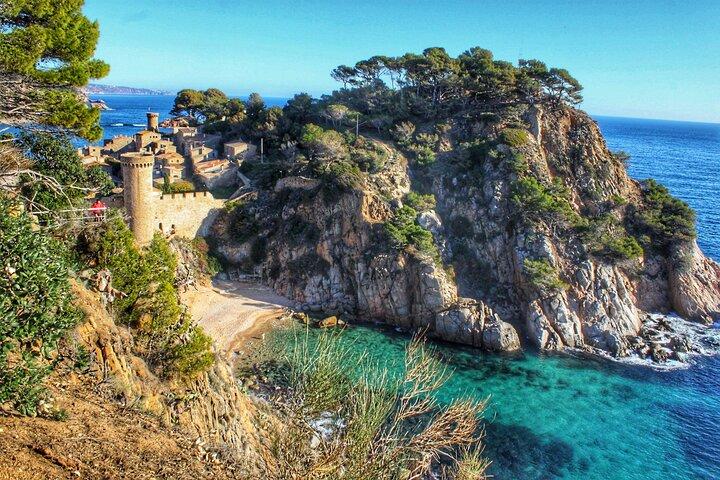
Costa Brava Adventure: Hidden Trails & Snorkeling
A day out of the city where rugged cliffs drop into clear coves and pine trees lean over turquoise water. The air smells of salt and sun‑warmed rock, and the only sounds are waves slapping the shore and snorkelers surfacing with muffled laughs.
Try: Follow the coastal path to a quiet cove and shoot back toward the cliffs, then slip into the water with an action camera for snorkel frames.

Private Sunset Sailing in Barcelona: Experience Unforgettable Coastal Views with Refreshments
A sleek sailboat slipping out of Port Olímpic as the city recedes into a jagged, light‑studded line. On deck, you feel the textured ropes under your fingers, hear the slap of waves and the occasional creak of rigging, and smell salt and chilled cava.
Try: Stand at the bow as the sun dips, shooting back toward the city with the mast and rigging framing your composition.

Bunkers del Carmel
A rough concrete hilltop above the city where remnants of anti‑aircraft batteries double as informal seating. People cluster on the edges with beers and blankets, wind tugging at their jackets as the city grid glows below.
Try: Claim a spot facing south over the Eixample and watch the light shift from gold to blue; keep shooting as the city lights come on.
Before You Go
Essential Intel
Everything you need to know for a smooth trip
What are the best times for capturing photos at Gaudí's landmarks?
How do I get around Barcelona to visit different Instagram spots?
What should I pack for a December trip to Barcelona?
Are there any photography tours available in Barcelona?
Which neighborhoods are most picturesque for photography?
What is the average budget for meals in Barcelona?
Is it necessary to book tickets in advance for popular attractions?
Are there any local events or festivals in December that are worth photographing?
What cultural etiquettes should I be aware of while photographing locals?
How can I make the most of the low winter sun for photography?
What are some budget-friendly accommodations in Instagram-worthy locations?
Coming Soon
Build Your Own Trip
Create your own personalized itinerary with our AI travel agent. Join the waitlist.